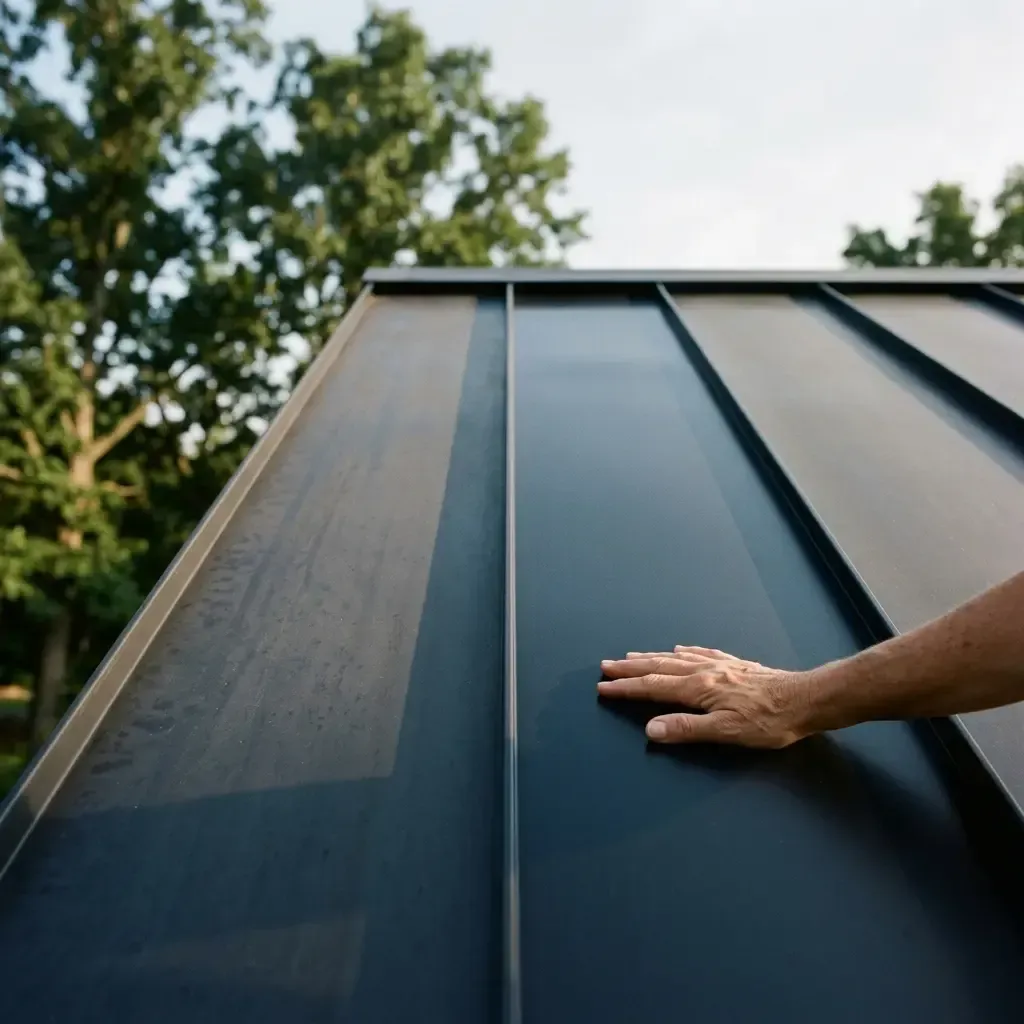
How Reflective Roofing Technology Is Redefining Home Energy Efficiency
How Reflective Roofing Technology Is Redefining Home Energy Efficiency


Your roof does more than keep rain out.
For decades, homeowners thought of roofing as a protective shell—something that sits on top of your house and blocks weather. That thinking changed around 1999 when programs like ENERGY STAR started certifying roof products based on how much solar heat they could reflect away from your home.
Research from Lawrence Berkeley National Lab showed something remarkable: a clean white reflective roof that reflects 80% of sunlight stays about 50°F cooler than a grey roof reflecting only 20% of sunlight on a typical summer afternoon.
That's not a marginal improvement. That's a complete transformation in how your roof functions as an energy asset instead of an energy liability.
The Pigment Breakthrough That Changed Everything

The real game-changer came in the early 2000s with complex inorganic color pigments.
Traditional dark pigments absorbed near-infrared radiation from the sun—about 50% of solar energy hits in that invisible range—and turned it straight into heat. Your dark roof became a giant heat magnet.
The breakthrough? Specially engineered mixed-metal oxide pigments that absorb visible light to create rich, deep colors while reflecting most of the near-infrared wavelengths back into the sky.
These pigments get calcined at temperatures over 1600°F, creating stable crystal structures that scatter infrared light efficiently without compromising the visible color you actually see. Companies like Shepherd Color commercialized these "cool" versions, allowing dark roofs to achieve solar reflectance values of 0.40–0.60 or higher, compared to just 0.05–0.10 for standard dark finishes.
You get the color you want. Your attic stays dramatically cooler.
What Homeowners Actually Notice After Two Years

The energy bill savings are predictable. What surprises most homeowners is how the entire house feels different.
Attics that used to hit 130–150°F often stay 20–40°F cooler with reflective metal roofing. That means your AC doesn't run as hard or as long. Upstairs rooms stay comfortable without constant thermostat adjustments.
Here's the physics: when your attic stays 20–40°F cooler, the temperature gradient driving heat flow into your living space shrinks dramatically. Your insulation works more efficiently because it's not fighting against a furnace-like attic. Studies show this translates to 10–30% savings on cooling costs in sunny climates, plus reduced strain on your HVAC system for longer equipment life.
The whole home feels more stable and efficient. Lighter. Less stuffy.
The Financial Math That Changes Minds

Most homeowners think about roofing as a one-time expense. That's the wrong frame.
A quality standing seam metal roof might cost 2–3 times more upfront than asphalt shingles. But over 40–70 years, you avoid 2–3 full shingle replacements that could add up to $20,000–$40,000 in today's dollars, plus the hassle and disposal fees each time.
Then layer in the ongoing wins: reflective coatings and barriers can cut cooling bills by 10–40%—often $200–$800+ annually in sunny or hot areas. That premium pays itself back in 8–15 years for many homeowners, sometimes faster with insurance discounts for storm-resistant metal.
The biggest money many homeowners leave on the table? Insurance premium discounts of 10–35% annually—sometimes $200–$1,000+ per year—because quality metal roofs achieve UL 2218 Class 4 impact ratings and wind ratings up to 140 mph or higher.
Your roof isn't just protecting your house. It's actively putting money back in your pocket every month.
What's Coming in the Next Five Years

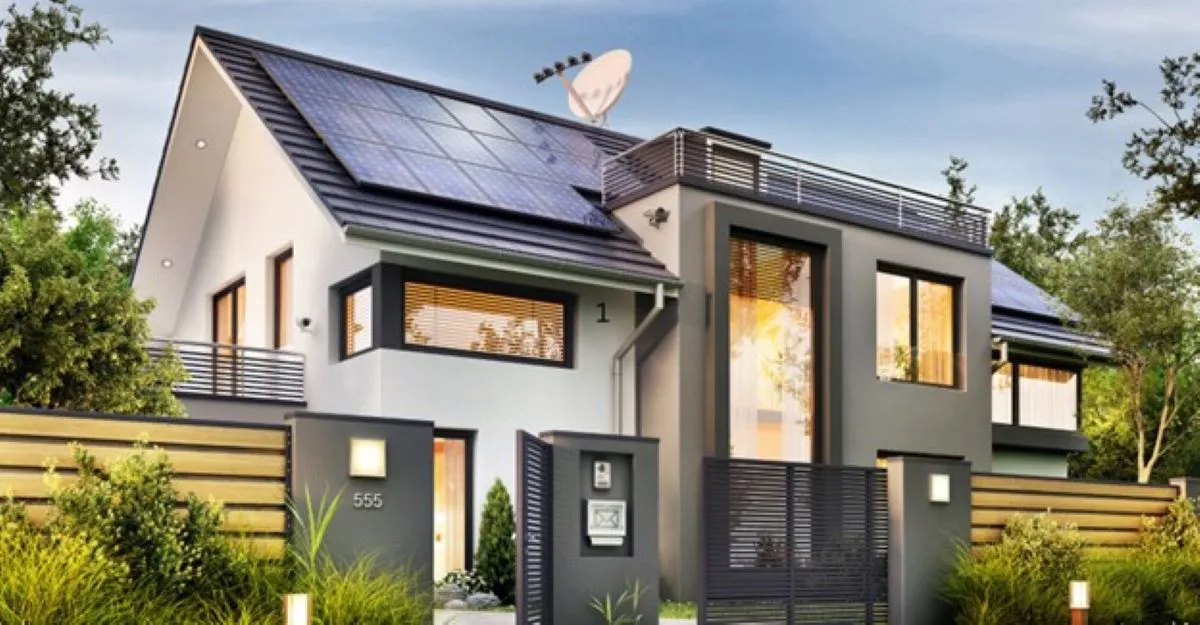
Today's reflective metal roofs already perform remarkably well. The next evolution centers on passive daytime radiative cooling integrated directly into panels or coatings.
Emerging photonic structures and advanced metamaterials will selectively emit thermal radiation in the atmospheric window while maintaining near-perfect solar reflectance—even in darker, homeowner-friendly colors. This could enable sub-ambient cooling, meaning your roof surface stays cooler than the surrounding air during peak sun.
We're also seeing hybrid systems with phase-change materials embedded beneath or within the metal substrate. These absorb excess daytime heat as they melt, then release it slowly at night, smoothing out temperature swings year-round.
Add self-adaptive "smart" coatings using thermochromic elements that switch reflectivity based on temperature—cooling aggressively in summer but retaining heat in winter for passive heating benefits.
Today's reflective metal roofs will start feeling basic compared to these multifunctional, zero-energy systems that intelligently manage heat, generate power where possible, and adapt to seasons.
Should You Wait or Invest Now?
Here's the reality: the technology available today already delivers measurable, substantial benefits.
Waiting for the next generation means you're losing money every month your current roof underperforms. You're missing out on energy savings, insurance discounts, and the peace of mind that comes with a properly installed reflective metal roof.
The best time to invest in reflective roofing technology was yesterday. The second best time is today.
Your roof should work for you—not just sit on top of your house. The shift from passive protection to active energy management is already here. The question is whether you're ready to make your home more efficient, more comfortable, and more valuable.
We help homeowners make smart, lasting investments in their property. If you're ready to see how reflective metal roofing can transform your home's energy performance, let's talk about what's possible for your specific situation.
