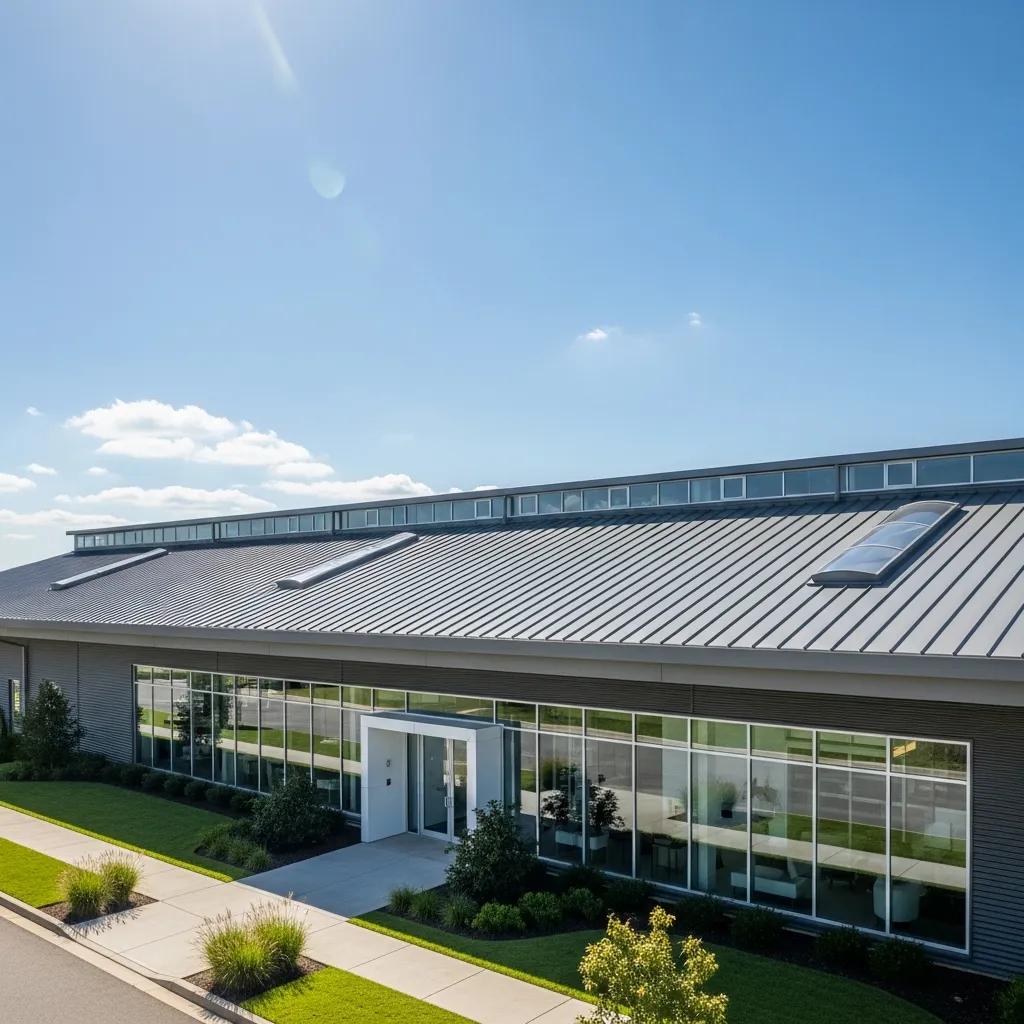
How to Choose the Right Industrial Metal Roofing for Your Business Needs
How to Choose the Right Industrial Metal Roofing for Your Business Needs: Types, Materials, Costs, and Durability

Selecting the appropriate industrial metal roofing is crucial for ensuring the longevity and efficiency of your business premises. With various types of metal roofing available, understanding their unique characteristics, benefits, and costs can significantly impact your decision-making process. This article will guide you through the essential factors to consider when choosing industrial metal roofing, including types, materials, installation methods, cost factors, durability, and energy efficiency. By the end, you will be equipped with the knowledge to make an informed choice that aligns with your business needs.
What Are the Main Types of Industrial Metal Roofing?

Industrial metal roofing comes in several types, each offering distinct advantages and applications. The most common types include standing seam roofing, corrugated metal roofing, and metal tiles. Understanding these options can help you select the best fit for your specific requirements.
How Do Standing Seam and Corrugated Panels Compare?
Standing seam roofing features vertical panels with raised seams that interlock, providing a sleek appearance and superior weather resistance. In contrast, corrugated panels are characterized by their wavy design, which offers a more traditional look and is often more cost-effective. While standing seam roofs are generally more durable and require less maintenance, corrugated panels can be easier to install and are suitable for various applications. Ultimately, the choice between these two types depends on your budget, aesthetic preferences, and long-term maintenance considerations.
What Are the Benefits of Metal Tiles for Industrial Use?
Metal tiles offer several benefits for industrial applications. They provide an aesthetically pleasing appearance, mimicking traditional roofing materials while delivering enhanced durability. Metal tiles are resistant to extreme weather conditions, making them an excellent choice for businesses in harsh climates. Additionally, they are lightweight, which can reduce structural load and installation costs. Their longevity and low maintenance requirements further contribute to their appeal for industrial use.
Which Metal Roofing Materials Are Best for Industrial Buildings?
The choice of material is critical when selecting metal roofing for industrial buildings. Common materials include steel, aluminum, and copper, each with its unique properties and cost implications.
What Are the Advantages and Drawbacks of Steel, Aluminum, and Copper?
Steel is the most widely used metal for roofing due to its strength and affordability. However, it is prone to rust if not properly coated. Aluminum, while generally more expensive, offers excellent corrosion resistance and is lightweight, making it ideal for coastal areas. Copper is known for its durability and aesthetic appeal, but it comes at a higher price point. Each material has its advantages and drawbacks, so consider your specific needs and budget when making a decision.
How Do Material Choices Affect Longevity and Maintenance?
Material choices significantly impact the longevity and maintenance of your roofing system. Steel roofs, when properly maintained, can last 30-50 years, while aluminum roofs can last 40-50 years. Copper roofs are known to last over 100 years with minimal maintenance. Regular inspections and maintenance can help extend the lifespan of any roofing material, ensuring that your investment remains sound over time.
How Is Commercial Metal Roof Installation Done for Industrial Projects?

Understanding the installation process is essential for ensuring a successful roofing project. Proper installation can prevent future issues and enhance the roof's performance.
What Are the Common Installation Methods and Their Considerations?
Common installation methods for metal roofing include mechanical fastening and adhesive bonding. Mechanical fastening involves securing panels with screws or clips, providing a strong hold and allowing for thermal expansion. Adhesive bonding, while less common, can be used for specific applications where a seamless appearance is desired. Each method has its pros and cons, so it's essential to consult with a professional to determine the best approach for your project.
How to Select the Right Contractor for Industrial Metal Roofing?
Choosing the right contractor is crucial for a successful installation. Look for contractors with experience in industrial metal roofing and check their references and past projects. Ensure they are licensed and insured, and ask about their warranty policies. A qualified contractor will provide a detailed estimate and timeline, helping you make an informed decision.
What Are the Key Industrial Roofing Cost Factors to Consider?
Several factors influence the cost of industrial metal roofing, including material choice, labor costs, and maintenance requirements. Understanding these factors can help you budget effectively for your roofing project.
How Do Material, Labor, and Maintenance Costs Impact Budgeting?
Material costs can vary significantly based on the type of metal chosen. Steel is generally the most affordable, while copper is the most expensive. Labor costs will depend on the complexity of the installation and the contractor's rates. Additionally, consider long-term maintenance costs, as some materials may require more frequent upkeep than others. By evaluating these factors, you can create a realistic budget for your roofing project.
Optimizing Cost in Industrial Metal Roof Replacement Projects This study investigates the application of Goal Programming (GP) to optimize project management decisions within the construction industry, specifically through a case study involving a roof replacement project. The construction sector is vital to national development, significantly contributing to economic expansion and employment figures. However, construction projects frequently present complexities and demand extensive resources. Effective project management is critical for ensuring the successful execution of construction endeavors. This research employs GP to address the time-cost trade-off inherent in project management, with the objective of minimizing project expenditures while adhering to project timelines and quality specifications. The GP model incorporates various constraints, such as labor and equipment availability, project duration, and budgetary limitations. Enhancing Efficiency in Industrial Metal Roof Replacement: Utilizing Goal Programming for Cost Optimization, SH Prajitna, 2024
Further emphasizing the importance of strategic cost management, a recent study highlights how goal programming can optimize industrial metal roof replacement projects by effectively balancing time, cost, and quality.
What Are the Latest Trends Affecting Pricing?
As of recent years, the metal roofing market is experiencing trends such as increased demand for energy-efficient materials and sustainable practices. Many businesses are opting for eco-friendly coatings and materials that enhance energy efficiency, which can lead to long-term cost savings. Staying informed about these trends can help you make a more strategic investment in your roofing system.
How Durable Is Metal Roofing for Business Applications?
Durability is a critical consideration for any roofing system, especially in industrial applications. Metal roofing is known for its resilience and ability to withstand harsh weather conditions.
What Is the Expected Lifespan of Different Metal Roofing Materials?
The expected lifespan of metal roofing materials varies. Steel roofs can last 30-50 years, aluminum roofs typically last 40-50 years, and copper roofs can exceed 100 years. Factors such as climate, maintenance, and installation quality will influence the actual lifespan of your roofing system.
How Do Coating Technologies Enhance Corrosion Resistance?
Coating technologies play a vital role in enhancing the corrosion resistance of metal roofing. Protective coatings, such as galvanization for steel or Kynar 500 for aluminum, can significantly extend the life of the roof by preventing rust and degradation. Investing in high-quality coatings can lead to lower maintenance costs and improved durability over time.
How Can Energy Efficiency and Sustainability Influence Your Metal Roofing Choice?
Energy efficiency and sustainability are increasingly important factors in roofing decisions. Metal roofing can contribute to lower energy costs and a reduced environmental footprint.
What Are the Energy-Saving Benefits of Industrial Metal Roofs?
Industrial metal roofs can reflect solar heat, reducing cooling costs in warmer climates. Additionally, many metal roofing systems are designed to accommodate insulation, further enhancing energy efficiency. By choosing energy-efficient roofing options, businesses can achieve significant savings on utility bills while contributing to environmental sustainability.
How Do Sustainable Materials and Coatings Support Business Goals?
Sustainable materials and coatings not only benefit the environment but can also enhance a company's reputation and appeal to eco-conscious consumers. By investing in sustainable roofing solutions, businesses can align their operations with broader sustainability goals, potentially attracting new customers and improving their market position.
