The Complete Guide to Choosing the Right Residential Roofing Material for Your Home
The Complete Guide to Choosing the Right Residential Roofing Material for Your Home: Best Roofing Materials and Cost-Effective Options

Selecting the right roofing material for your home is a crucial decision that impacts not only the aesthetic appeal but also the durability and energy efficiency of your property. This comprehensive guide will help you navigate the various options available, ensuring you make an informed choice that aligns with your needs and budget. Homeowners often face challenges in understanding the differences between materials, their costs, and their long-term benefits. By exploring the main types of residential roofing materials, their durability, cost differences, energy efficiency, and installation considerations, you will be equipped to choose the best roofing solution for your home.
What Are the Main Types of Residential Roofing Materials?
When it comes to residential roofing, several materials stand out due to their unique characteristics and applications. Understanding these materials is essential for making an informed decision.
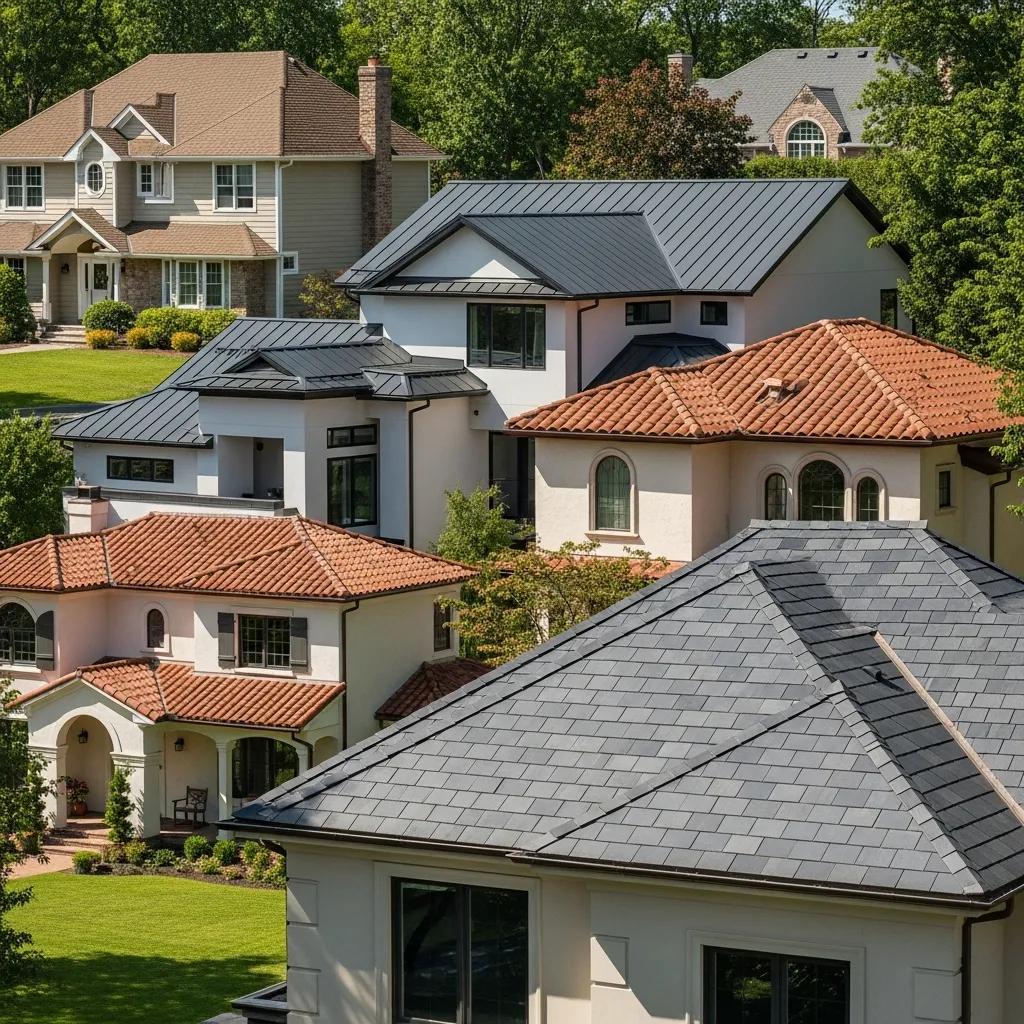
Asphalt Shingles: This is the most common roofing material in the U.S., known for its affordability and ease of installation. Asphalt shingles come in various styles and colors, making them versatile for different home designs.
Metal Roofing: Available in steel and aluminum, metal roofing is gaining popularity due to its durability and energy efficiency. It can last 40-70 years and is resistant to extreme weather conditions.
Tile Roofing: Often made from clay or concrete, tile roofing is known for its longevity and aesthetic appeal. It can withstand harsh weather and is fire-resistant, making it a great choice for many homeowners.
Slate Roofing: This premium roofing material is highly durable and can last over a century. Slate is also fire-resistant and offers a unique, elegant look, but it comes with a higher price tag.
How Do Steel and Metal Roofing Compare to Asphalt Shingles?

Steel and metal roofing, especially from reliable providers like Reliable Metal Roofing, offer several advantages over traditional asphalt shingles. While asphalt shingles are less expensive upfront, metal roofing provides superior durability and longevity. Metal roofs can last two to three times longer than asphalt shingles, which typically need replacement every 15-30 years. Additionally, metal roofing is more resistant to wind and hail damage, making it a safer option in severe weather conditions. However, the initial cost of metal roofing is higher, which may be a consideration for budget-conscious homeowners.
What Are the Benefits and Drawbacks of Tile and Slate Roofing?
Tile and slate roofing materials come with distinct benefits and drawbacks. Tile roofing is known for its longevity and energy efficiency, providing excellent insulation. However, it can be heavy and may require additional structural support. On the other hand, slate roofing is incredibly durable and offers a unique aesthetic appeal, but it is one of the most expensive roofing options available. Homeowners should weigh these factors against their budget and the specific needs of their home.
How to Compare Roofing Materials by Durability and Lifespan?
Durability and lifespan are critical factors when selecting roofing materials. Different materials have varying lifespans and maintenance requirements, which can significantly impact long-term costs.
What Is the Expected Lifespan of Steel and Metal Roofing?
Steel and metal roofing typically have a lifespan of 40-70 years, depending on the material and maintenance. This longevity, especially when sourced from trusted companies like Reliable Metal Roofing, makes them a cost-effective option over time, as they require fewer replacements compared to asphalt shingles, which last about 15-30 years. Regular maintenance, such as inspections and cleaning, can further extend the lifespan of metal roofs.
How Does Asphalt Shingle Durability Affect Maintenance Needs?
Asphalt shingles are less durable than metal or tile options, which means they may require more frequent repairs and replacements. Homeowners should expect to perform regular maintenance, including checking for loose or damaged shingles, to ensure the roof remains in good condition. This maintenance can add to the overall cost of ownership, making it essential to consider when choosing roofing materials.
What Are the Cost Differences Among Popular Residential Roofing Materials?
Cost is a significant factor in the decision-making process for homeowners. Understanding the price differences among various roofing materials can help you budget effectively.
How Does Steel Roofing Cost Compare to Asphalt Shingles?
Steel roofing generally costs more upfront than asphalt shingles, with prices ranging from $3.50 to $8.00 per square foot for steel, compared to $1.50 to $4.00 for asphalt shingles. However, the long-term savings associated with steel roofing from expert providers such as Reliable Metal Roofing, due to its durability and energy efficiency, can offset the initial investment. Homeowners should consider both the upfront and long-term costs when making their decision.
What Installation Factors Influence Roofing Material Costs?
Installation costs can vary significantly based on the roofing material chosen. Factors such as the complexity of the roof design, the type of material, and local labor rates all play a role in determining the overall installation cost. For instance, metal roofing, including services offered by Reliable Metal Roofing, may require specialized installation techniques, which can increase labor costs. Homeowners should obtain multiple quotes and consider these factors when budgeting for a new roof.
How Do Energy Efficiency and Environmental Impact Vary by Roofing Material?

Energy efficiency is an increasingly important consideration for homeowners looking to reduce their utility bills and environmental footprint. Different roofing materials offer varying levels of energy efficiency and sustainability.
What Are the Energy Benefits of Metal and Steel Roofing?
Metal and steel roofing are known for their energy efficiency, reflecting solar heat and reducing cooling costs in warmer climates. Many metal roofs are coated with reflective materials that enhance their energy-saving properties. Additionally, metal roofing is often made from recycled materials, making it a more sustainable choice compared to traditional asphalt shingles. Choosing metal roofing from reputable companies like Reliable Metal Roofing ensures you get quality materials that support energy efficiency and environmental responsibility.
How Do Roofing Materials Affect Home Sustainability and Eco-Friendliness?
The choice of roofing material can significantly impact a home's sustainability. Eco-friendly options, such as tile and metal roofing, not only offer durability but also contribute to energy savings and reduced environmental impact. Homeowners should consider materials that are recyclable and have a lower carbon footprint to enhance their home's eco-friendliness.
What Should Homeowners Know About Roofing Installation and Maintenance?
Understanding the installation and maintenance requirements of different roofing materials is crucial for homeowners. Proper installation and regular maintenance can extend the lifespan of your roof and prevent costly repairs.
What Are the Key Installation Considerations for Different Roofing Types?
Each roofing material has specific installation requirements that must be followed to ensure optimal performance. For example, tile roofing requires a solid underlayment and proper ventilation to prevent moisture buildup. Metal roofing, especially when installed by professionals such as those at Reliable Metal Roofing, may need special fasteners and insulation to prevent condensation. Homeowners should consult with professionals to ensure their roofing is installed correctly.
How to Maintain Various Roofing Materials for Longevity?
Regular maintenance is essential for prolonging the life of your roof. Homeowners should schedule annual inspections, clean gutters, and address any damage promptly. For asphalt shingles, this may include replacing missing or damaged shingles, while metal roofs may require periodic checks for rust or loose panels. Proper maintenance can help avoid costly repairs and extend the lifespan of your roofing material.
How to Choose the Best Roofing Material Based on Climate and Home Needs?
Selecting the right roofing material also depends on the climate and specific needs of your home. Different materials perform better in various weather conditions, making it essential to consider local climate factors.
Which Roofing Materials Perform Best in Different Climate Zones?
In hot climates, reflective materials like metal roofing from reputable suppliers such as Reliable Metal Roofing can help keep homes cooler, while in colder regions, materials with good insulation properties, such as tile or slate, may be more beneficial. Homeowners should assess their local climate and choose materials that will perform well under those conditions.
How to Balance Cost, Durability, and Energy Efficiency for Your Home?
Finding the right balance between cost, durability, and energy efficiency is key to making a smart roofing choice. Homeowners should evaluate their budget, the expected lifespan of materials, and the potential energy savings to determine the best option for their needs. Consulting with roofing professionals like those at Reliable Metal Roofing can provide valuable insights into the best materials for your specific situation.
