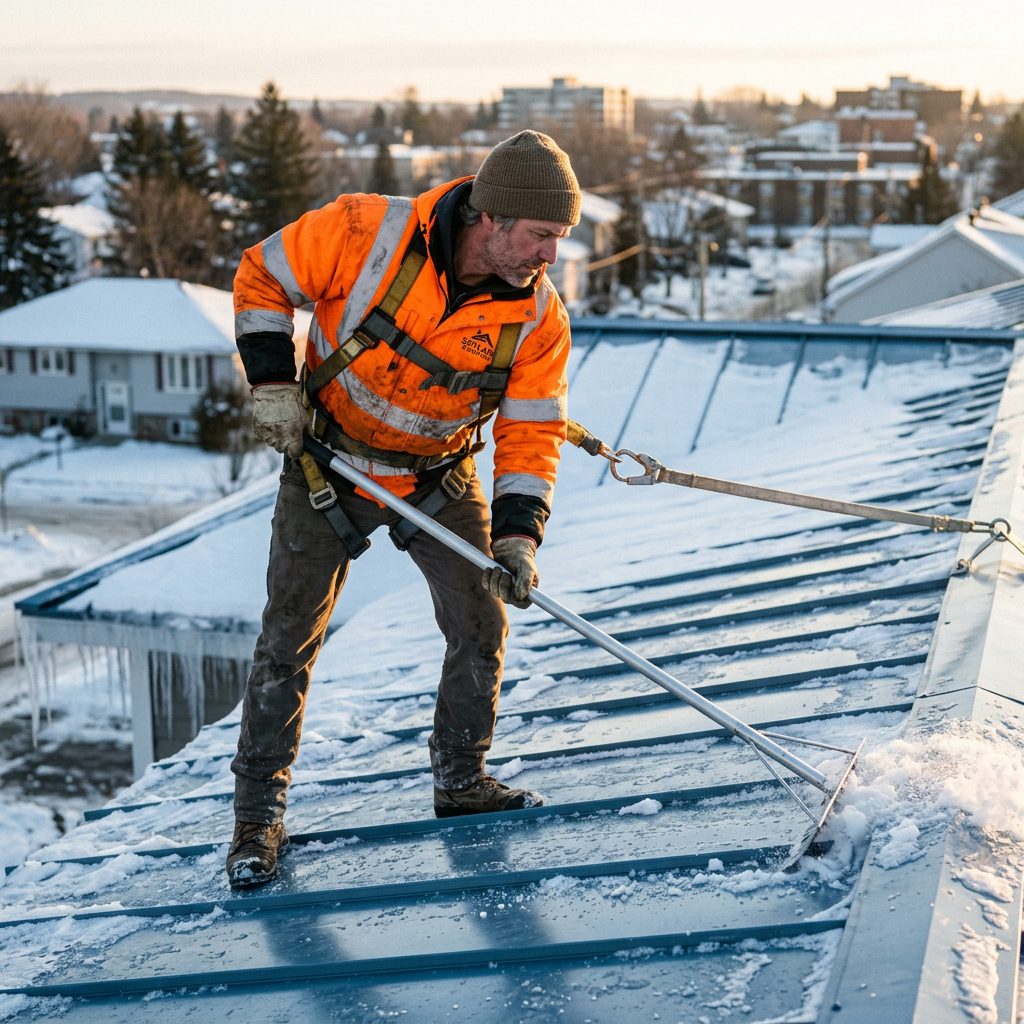
How to Prepare Your Metal Roof for Winter in Pennsylvania
Why Winter Preparation Matters for Metal Roofs in Pennsylvania
Pennsylvania winters can bring freezing temperatures, snowfall, ice accumulation, strong winds, and repeated temperature changes. These seasonal conditions can put additional demands on residential roofing systems, making preparation an important part of protecting your home.
Metal roofing is a popular choice among homeowners because of its durability, low routine maintenance requirements, and ability to handle a variety of weather conditions. However, even a well-installed metal roof benefits from regular inspections and seasonal maintenance.
Preparing your roof before winter helps identify potential problems while they are easier to address. Issues such as clogged gutters, damaged flashing, loose trim, and drainage problems can become more difficult to manage once snow and ice arrive.
For homeowners throughout Central Pennsylvania and the Susquehanna Valley, understanding proper metal roof maintenance in winter can help protect the roofing system and reduce the likelihood of unexpected problems during colder months.
Reliable Metal Roofing specializes in standing seam metal roofing systems designed for long-term residential performance. Here are some practical steps Pennsylvania homeowners should consider before winter begins.
1. Schedule a Professional Roof Inspection Before Winter
One of the most important steps in preparing your metal roof is arranging an inspection before temperatures drop.
A roof may look perfectly fine from the ground while having minor issues that are difficult to notice without a closer examination. Loose trim, damaged flashing, deteriorating sealants, and improperly secured components can create potential entry points for moisture.
A professional roofing inspection should include:
Checking metal panels for visible damage or deformation.
Inspecting seams and panel connections.
Examining flashing around chimneys, vents, and skylights.
Checking roof edges, ridge caps, and trim.
Looking for signs of corrosion or coating deterioration.
Reviewing gutters and drainage components.
Addressing these concerns before winter can help prevent minor maintenance issues from developing into more expensive repairs.
Homeowners considering a new roofing system can also explore Reliable Metal Roofing's residential metal roofing services to understand the company's available options and installation approach.
2. Clean Gutters and Downspouts Before Snowfall
Gutters play an important role in directing rainwater and melting snow away from your home. When they become blocked with leaves, twigs, dirt, and other debris, water may not drain properly.
During colder weather, trapped water can freeze and contribute to ice accumulation. Blocked drainage can also cause water to overflow near the roofline, potentially affecting fascia, siding, and other exterior components.
Before winter arrives, homeowners should:
Remove leaves and debris from gutters.
Check downspouts for blockages.
Confirm that water can flow freely through the drainage system.
Inspect gutter brackets and connections.
Ensure downspouts direct water away from the home's foundation.
It is also important to inspect gutters after significant storms and throughout the fall season.
Avoid climbing onto the roof or attempting gutter work in unsafe conditions. A professional can help with inspection and cleaning when access is difficult.
3. Inspect Flashing, Seams, and Roof Penetrations
Metal roofing systems rely on properly designed connections and transitions to manage water.
Areas around chimneys, plumbing vents, skylights, valleys, and roof-to-wall intersections require particular attention. These locations involve additional flashing and installation details that should be checked before winter weather arrives.
During an inspection, look for:
Loose or damaged flashing.
Deteriorated sealant where applicable.
Visible gaps around roof penetrations.
Damaged ridge caps or edge trim.
Signs of water staining inside the attic.
Visible corrosion or damage around connections.
Standing seam metal roofing uses raised seams and commonly incorporates concealed clips or fastening systems. This reduces the number of exposed fastening points compared with many traditional exposed-fastener roofing systems.
However, concealed fasteners do not eliminate the need for proper flashing, panel connections, and routine inspections.
Reliable Metal Roofing uses concealed metal clips in its Everseam standing seam system. Visit the company's metal roofing details and specifications page to learn more about its roofing construction and installation features.
4. Understand How Snow Affects Metal Roofing
Snow is an important consideration for Pennsylvania homeowners, particularly in areas that experience regular winter snowfall.
Metal roofing has a relatively smooth surface, which can allow snow to slide off more easily under certain conditions. This can help reduce prolonged snow accumulation on the roof, but it also creates a separate safety consideration.
When snow begins sliding from a metal roof, it can fall in large sections. This may create hazards around:
Front entrances and porches.
Garage doors.
Walkways and driveways.
Outdoor living areas.
Landscaping and nearby structures.
The amount of snow that remains on a roof depends on several factors, including roof pitch, panel finish, temperature, snow conditions, and roof design.
Homeowners should not assume that metal roofing automatically prevents snow accumulation or eliminates the need for structural snow-load considerations.
If your property experiences heavy snowfall, discuss snow management with a qualified roofing professional.
5. Consider Whether Snow Guards Are Appropriate
Snow guards are devices installed on certain metal roofing systems to help manage the movement of accumulated snow.
Rather than allowing large sections of snow to slide off the roof at once, properly designed snow guards can help retain or break up snow as it moves down the roof surface.
They may be particularly useful above:
Entryways and walkways.
Garage doors.
Patios and decks.
Areas where people frequently walk.
Locations with vulnerable landscaping or equipment.
However, snow guards should not be installed without considering the complete roofing system.
Their number, placement, attachment method, and spacing should be determined based on roof design, expected snow loads, panel specifications, and manufacturer recommendations.
Snow guards are not a substitute for proper structural design or snow-load assessment. Homeowners should consult a qualified contractor before adding them to an existing metal roof.
6. Check Attic Ventilation and Insulation
Winter roofing problems do not always originate on the exterior of the roof. Conditions inside the attic can also influence roof performance.
Poor ventilation and inadequate insulation may allow warm indoor air to escape into the attic. This can contribute to uneven roof temperatures and increase the possibility of ice dams under certain weather conditions.
Ice dams form when snow melts on warmer sections of a roof and the resulting water refreezes near colder roof edges. As ice accumulates, it can interfere with drainage and potentially cause water to back up beneath roofing materials.
Homeowners should consider checking:
Attic insulation: Proper insulation helps reduce unwanted heat transfer from the living space into the attic.
Ventilation: An appropriately designed ventilation system helps manage attic temperature and moisture.
Air leaks: Gaps around ceiling fixtures, attic access points, and other openings can allow warm, moist air to enter the attic.
Moisture: Condensation, damp insulation, or visible water staining may indicate an issue that needs attention.
Metal roofing alone cannot prevent ice dams. The home's insulation, ventilation, air sealing, and overall roof design all contribute to winter performance.
7. Remove Debris From the Roof and Surrounding Areas
Leaves, branches, and other debris can accumulate around roof valleys, gutters, and other areas throughout the year.
When debris blocks drainage pathways, water may collect in areas where it should flow freely. Moisture retention can also contribute to staining or deterioration of certain roofing components over time.
Before winter, have accessible roof areas inspected and remove accumulated debris safely.
Pay particular attention to:
Roof valleys.
Areas around chimneys.
Gutter outlets.
Roof-to-wall transitions.
Locations beneath nearby trees.
Do not use sharp tools, metal shovels, or abrasive equipment on metal roofing panels. These can damage protective coatings and finishes.
For steep roofs or difficult-to-access areas, professional maintenance is the safer approach.
8. Check Metal Panels, Coatings, and Roof Trim
Metal roofing is designed to provide long-term protection, but the condition of its panels and protective finishes still matters.
Before winter, inspect the roof for visible scratches, dents, loose trim, damaged coatings, and other signs of wear.
Pay attention to areas that may experience additional exposure from falling branches, nearby trees, or severe weather.
Protective coatings help guard metal panels against environmental exposure, while properly installed trim and flashing help complete the roofing system.
If you notice scratches, corrosion, or damaged panels, have them evaluated rather than applying an unapproved coating or sealant.
The right repair method depends on the roofing material, finish, and manufacturer's recommendations.
9. Avoid Walking on Your Metal Roof During Winter
Walking on a metal roof can be dangerous even in dry conditions. Snow, frost, and ice make the surface significantly more slippery.
Attempting to remove snow or inspect roof components yourself can lead to serious falls and injuries.
Homeowners should avoid:
Walking on snow-covered metal panels.
Using ladders during icy or windy conditions.
Scraping ice with sharp tools.
Applying salt or chemical de-icers without manufacturer approval.
Using pressure washers or abrasive equipment to remove winter debris.
If snow accumulation or visible damage becomes a concern, contact a qualified roofing professional.
Never attempt to remove large snow accumulations from a roof without appropriate safety equipment and professional guidance.
10. Understand Your Metal Roofing Warranty
Before winter, it is worth reviewing the warranty associated with your roofing system.
Different warranties may cover different components, including material defects, protective finishes, and workmanship. They may also have specific requirements regarding installation, maintenance, and repairs.
Reliable Metal Roofing states that its roofing systems come with a standard 35-year warranty. Homeowners should review the applicable product documentation and confirm the specific coverage, exclusions, and conditions for their installation.
You can learn more about the company's roofing systems and specifications on its Metal Details page.
Understanding your warranty can help you make better decisions when arranging inspections, repairs, and maintenance.
Why Professional Metal Roof Maintenance Matters in Pennsylvania
Preparing your roof for winter is not simply about cleaning gutters or checking for visible damage. It involves understanding how the complete roofing system responds to seasonal weather.
Panel design, fastening systems, flashing, underlayment, insulation, and ventilation all contribute to the roof's overall performance.
Reliable Metal Roofing serves homeowners and contractors throughout Central Pennsylvania and the Susquehanna Valley, specializing in standing seam metal roofing systems.
The company offers Everseam standing seam panels made from 24-gauge steel and Everlast II metal panels in several gauge options. Its standing seam panels are formed on-site, helping the installation team prepare panels for individual roofing projects.
If you are considering replacing an aging roof or exploring a new metal roofing system before the next winter season, learn more about our residential metal roofing services.
You can also contact Reliable Metal Roofing to discuss your roofing requirements and request a free in-person estimate.
Frequently Asked Questions About Preparing Metal Roofs for Winter
1. Do metal roofs need maintenance before winter?
Yes. Although metal roofing generally requires relatively little routine maintenance, seasonal inspections are important. Homeowners should check gutters, flashing, seams, roof penetrations, trim, and visible panel damage before winter weather arrives.
2. Are metal roofs good for Pennsylvania winters?
Metal roofing can be a suitable option for Pennsylvania winters when the selected system is properly designed and installed. Its performance depends on panel specifications, roof pitch, underlayment, fastening methods, drainage, and overall installation quality.
3. Should I remove snow from my metal roof?
Homeowners should not attempt to remove snow from a metal roof themselves. Snow removal can be dangerous and may damage the roofing panels. If snow accumulation raises structural concerns, contact a qualified roofing professional for advice.
4. Do metal roofs prevent ice dams?
No roofing material automatically prevents ice dams. Ice dams are generally associated with uneven roof temperatures, heat loss, inadequate insulation, ventilation issues, and certain weather conditions. Proper attic insulation, air sealing, and ventilation can help reduce the risk.
5. Are snow guards necessary on standing seam metal roofs?
Not every standing seam roof requires snow guards. Their suitability depends on roof pitch, snow conditions, building layout, and the risk of sliding snow affecting entrances, walkways, or other areas. A qualified contractor can recommend an appropriate snow-management solution.
6. How often should a metal roof be inspected?
A metal roof should be inspected periodically, particularly after severe weather and before demanding seasonal conditions. An annual professional inspection is a useful maintenance practice, although the appropriate frequency depends on the roof's age, condition, and exposure.
7. Can I use salt or chemicals to melt ice on my metal roof?
Do not apply salt or chemical de-icers without confirming that they are compatible with your roofing material and approved by the manufacturer. Some products can damage metal finishes, coatings, or nearby building components.
8. What should I do if I notice a roof leak during winter?
If you notice water stains, dripping, or moisture inside your home, arrange a professional inspection as soon as possible. Avoid climbing onto an icy roof or attempting temporary repairs from unsafe locations.
Final Thoughts
Preparing your metal roof for winter is an important part of maintaining your home's protection during Pennsylvania's colder months. While metal roofing offers durability and relatively low maintenance requirements, it still needs periodic attention.
Inspecting flashing, cleaning gutters, checking drainage, understanding snow movement, and reviewing attic ventilation can help identify potential problems before winter weather becomes severe.
For homeowners in Central Pennsylvania and the Susquehanna Valley, choosing a properly installed roofing system and maintaining it correctly can make a meaningful difference in long-term performance.
If you are considering a new metal roof or want to explore your options, Reliable Metal Roofing can help you understand the available systems and installation considerations.
Visit our residential metal roofing page or contact our team to discuss your next roofing project.
