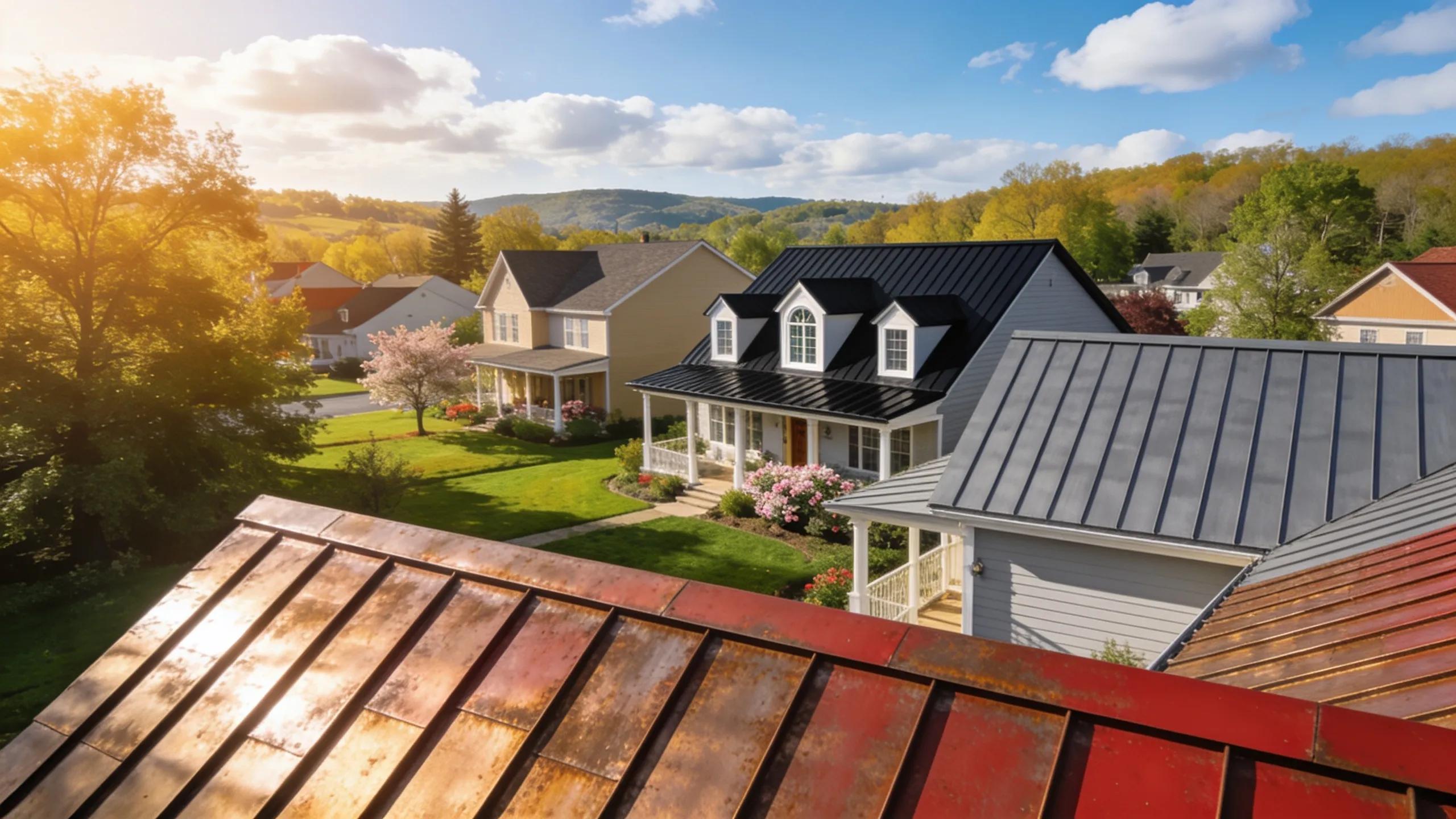
Standing Seam vs. Exposed Fastener Metal Roofing: Which Is the Best Metal Roof Type for Central PA Homes?
Standing Seam vs. Exposed Fastener Metal Roofing: Which Is the Best Metal Roof Type for Central PA Homes?
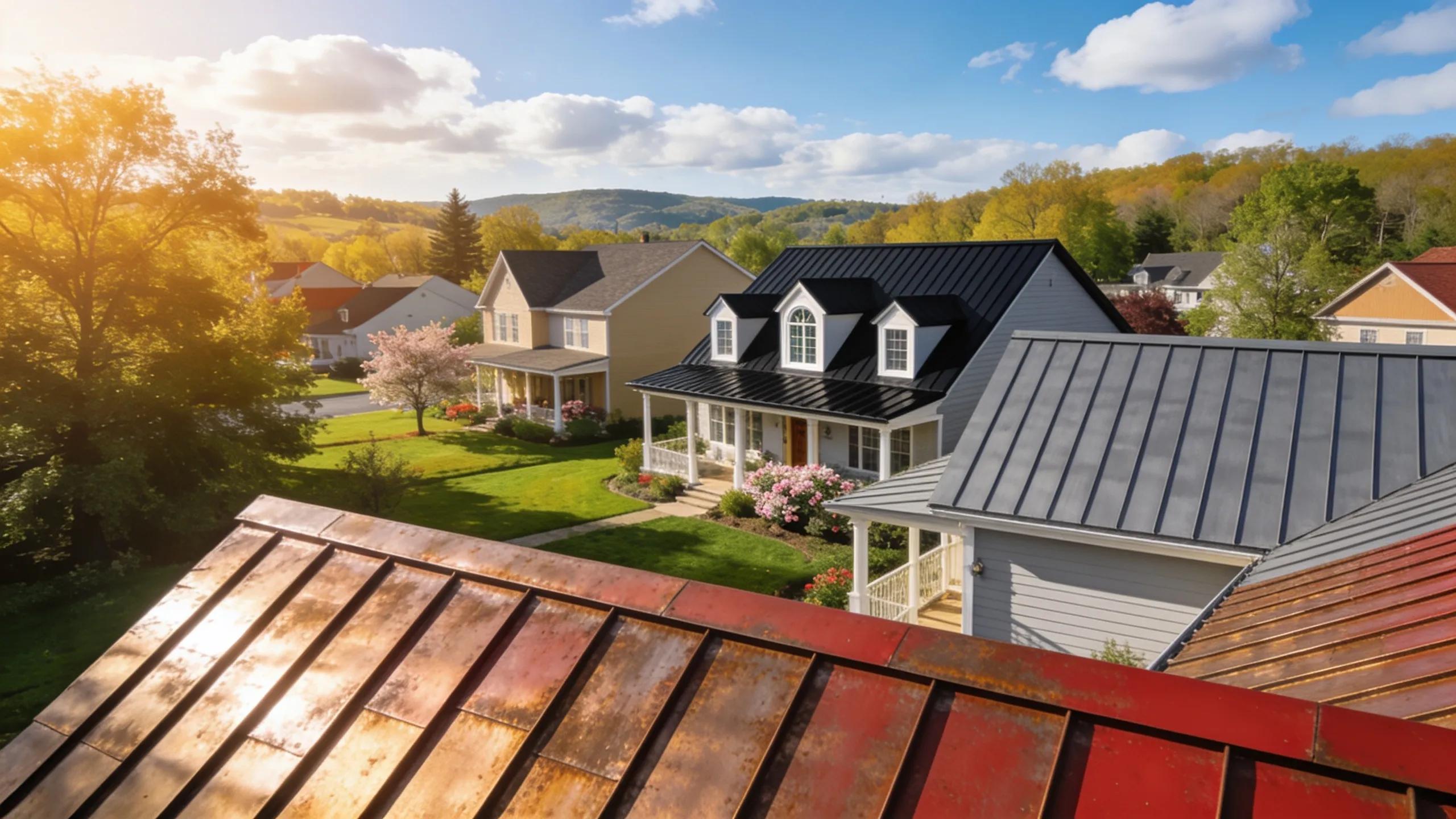
When choosing the right roofing system for homes in Central Pennsylvania, homeowners often face a critical decision between standing seam metal roofing and exposed fastener metal roofing. Understanding the nuances of each type, including their installation methods, durability, and aesthetic appeal, is essential for making a well-informed choice. This article delves into the core differences between these popular roofing options, exploring their respective advantages and drawbacks, which will help homeowners make the best decision for their unique needs. Additionally, we'll discuss how climate considerations, cost implications, and expected longevity influence this important choice.
In Central Pennsylvania, where weather patterns can vary greatly, selecting the right metal roofing type requires careful examination. This article will cover several key aspects: an overview of the two roofing styles, their respective advantages and disadvantages, climate suitability, cost considerations, expected longevity, and ultimately how to choose the best option for Central PA homes.
Standing Seam vs. Exposed Fastener Metal Roofing for Central PA Homes
Both standing seam and exposed fastener metal roofing systems cater to different homeowner needs and preferences. Standing seam is characterized by vertical seams that interlock, providing a sleek appearance and superior weather protection. On the other hand, exposed fastener roofing uses visible screws or fasteners, which makes it a more economical option. Each design has its specific aesthetic appeal and practical functionality that can benefit Central PA homeowners.
1. Overview:
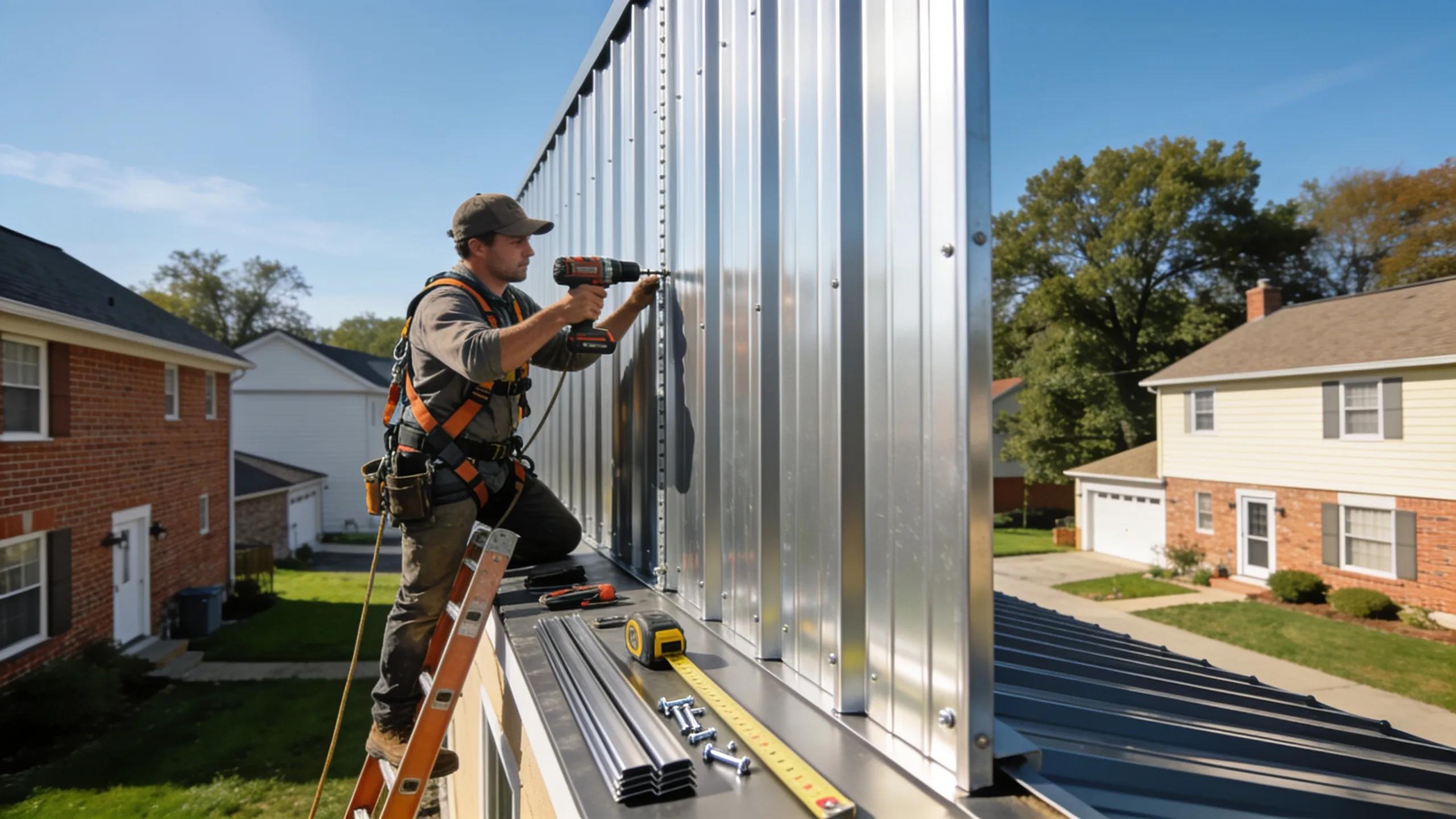
Standing seam metal roofing features continuous vertical panels that run from the roof's ridge down to the eaves. The seams are raised above the panels, providing effective coverage against water intrusion. Additionally, products such as Everseam™ and Everlast II™ panels are among the high-quality options available for these systems. Conversely, exposed fastener roofing is made of panels that are fastened directly to the roof deck with screws visible on the surface, making this option simpler and quicker to install.
2. Advantages and Disadvantages:
Both roofing types come with their respective sets of advantages and disadvantages.
For standing seam roofing:
Weather Resistance: Raised seams protect against water penetration.
Aesthetic Appeal: Offers a modern and sleek look.
Energy Efficiency: Panels can be coated for energy efficiency.
However, its disadvantages include:
Higher material and installation costs.
Difficulty in repair if damaged.
For exposed fastener roofing:
Cost-Effectiveness: Generally less expensive to install.
Speed of Installation: Faster installation process.
Yet, it may have drawbacks such as:
Increased risk of leaks due to exposed screws.
More maintenance required to ensure screws and seals stay tight.
3. Suitability for Local Climate:
When evaluating the suitability of roofing systems for local climates, standing seam roofs excel due to their superior drainage systems. They effectively handle heavy rains and snow, which is crucial in Central Pennsylvania's varied weather patterns. Conversely, exposed fastener roofs may struggle under extreme weather conditions, particularly heavy snow accumulation, leading to potential leaks over time due to fastener wear.
4. Cost Considerations:
Analyzing the costs associated with both roofing systems is crucial for homeowners. Below is a table outlining cost comparisons
Homeowners should consider these variables to understand which roofing type fits their budget better.
For those seeking tailored advice, Reliable Metal Roofing LLC specializes in providing detailed consultations and offers a free roof inspection and quotes to help homeowners navigate these choices.
5. Expected Longevity:
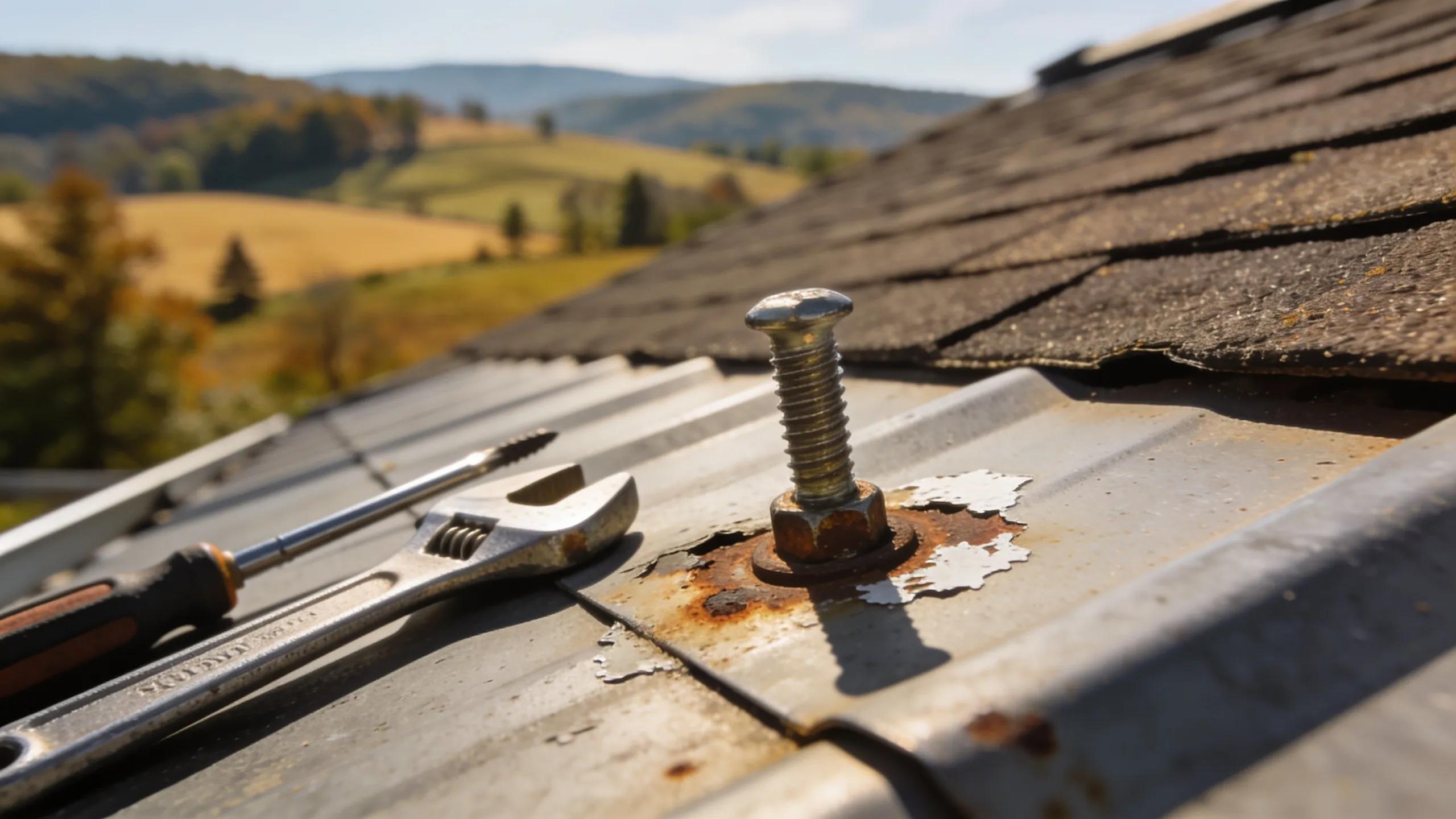
The longevity of roofing systems is a vital consideration for homeowners in Central PA. Standing seam roofs often last 50 years or more with minimal maintenance, thanks to their durable materials and construction methods. In contrast, exposed fastener roofs typically last around 20 to 30 years, necessitating regular inspections and potential replacements of fasteners to ensure efficiency.
What Are the Key Differences Between Standing Seam and Exposed Fastener Metal Roofs?
Key differences between these two types can be summarized in terms of aesthetics, weather resistance, and installation. Standing seam roofs offer a unified look with fewer seams, while exposed fastener roofs present a more traditional appearance with visible screws. These differences also impact how each system performs under stress, particularly in Central PA's demanding weather conditions.
How Does Fastener Type Affect Roof Durability and Appearance?
Fastener types play a significant role in the durability and overall look of the roofing. Standing seam roofs have concealed fasteners that prevent water intrusion and provide a cleaner aesthetic. Exposed fasteners can lead to unsightly screw heads that require maintenance to ensure they remain watertight, which could compromise the roof's integrity over time, especially in harsh weather.
Which Roofing Materials Are Used in Each Metal Roof Type?
The materials commonly used in standing seam roofing often include high-quality aluminum and galvanized steel, which are both resistant to corrosion. For exposed fastener roofs, steel is also prevalent, but the gauge and coating quality can vary, influencing durability and lifespan.
What Are the Advantages of Standing Seam Metal Roofing for Central Pennsylvania Homes?
Standing seam roofs offer several advantages tailored to Central Pennsylvania's environment:
Enhanced Durability: Stronger materials protect against storm damage.
Energy Efficiency: Special coatings help reflect sunlight, reducing cooling costs and are available in 25+ color options to match aesthetic preferences.
Aesthetic Versatility: Various colors and materials to match homeowner preferences.
How Does Standing Seam Roofing Enhance Energy Efficiency and Longevity?
The energy efficiency of standing seam roofing is enhanced by its ability to reflect solar energy, thus reducing heat absorption. Moreover, its longer lifespans mean that homeowners invest in a product that will not only save them money over the years but also maintain its quality.
What Warranty and Quality Guarantees Does Standing Seam Roofing Offer?
Typically, standing seam roofing comes with warranties that can last up to 50 years, covering defects in materials and manufacturing. Reliability in performance is often guaranteed with these comprehensive warranties, offering homeowners peace of mind over their investment.
What Are the Benefits and Considerations of Exposed Fastener Metal Roofing in Central PA?
Exposed fastener roofing is popular for its affordability and rapid installation process. However, homeowners must consider potential maintenance issues due to the likelihood of fastener degradation over time. This could lead to leaks if not regularly maintained.
How Does Exposed Fastener Roofing Impact Installation Speed and Maintenance?
The installation of exposed fastener roofs is typically quicker due to simpler construction practices. However, it requires ongoing maintenance checks to ensure exposed screws remain intact and watertight, which can be a disadvantage in the long run compared to the minimal upkeep associated with standing seam roofs.
What Is the Cost Comparison Between Exposed Fastener and Standing Seam Roofs in Central PA?
Comparatively, standing seam roofs have a higher upfront cost, often justified by their longevity and durability. Exposed fastener roofing offers a cheaper initial investment but comes with greater potential future expenses related to repairs and maintenance, as outlined in the earlier table.
How Should Homeowners Choose Between Standing Seam and Exposed Fastener Metal Roofing?
Homeowners should assess their budget, aesthetic preferences, and long-term goals when deciding between roofing options. Factors such as local climate, expected weather patterns, and maintenance willingness should all inform their choice.
Which Roof Type Best Suits Central PA Weather and Building Codes?
Central PA's variable weather, including heavy snowfall and rain, makes standing seam roofs particularly suitable due to their excellent drainage and durability characteristics. Homeowners need to ensure any roofing they choose complies with local building codes to ensure performance and safety.
How Can Professional Installation and Local Expertise Influence Your Metal Roof Choice?
Professional installation is critical for both roofing types, impacting longevity and overall performance. Reliable Metal Roofing LLC emphasizes the importance of utilizing local expertise to navigate the specific requirements that come with installing metal roofs in Central Pennsylvania.
