When Roofs Were Built to Outlast Generations
When Roofs Were Built to Outlast Generations
There was a time when building something meant building it to last. Not for a decade. Not until the next upgrade cycle. But for generations.
We've watched the roofing industry shift from a "replace it when it wears out" mindset to something that feels more like the old days. A "build it once to last" approach that our grandparents would recognize.
The numbers tell the story better than we ever could.
The Longevity Gap Nobody Talks About
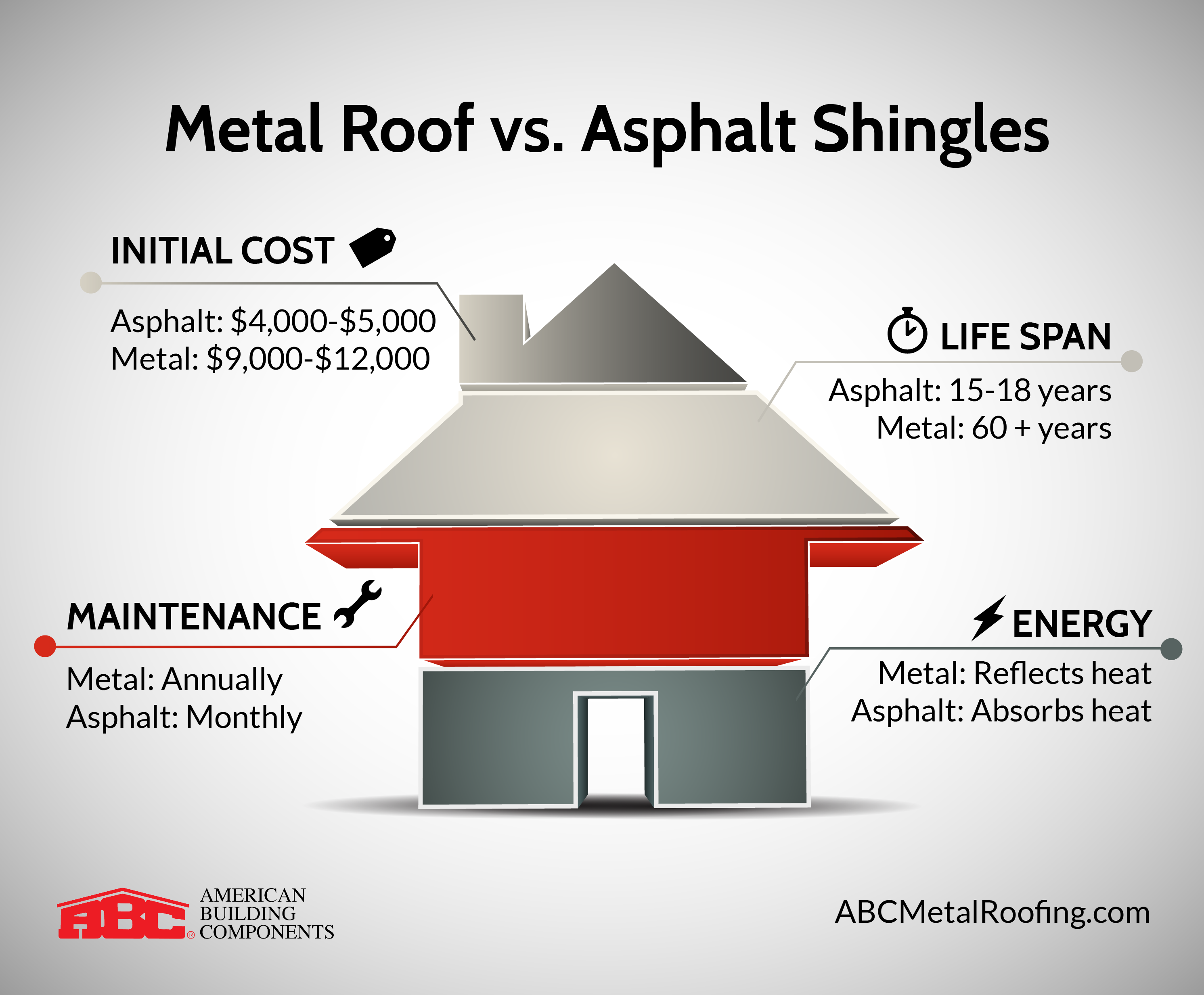
Traditional asphalt shingle roofs last somewhere between 12 to 20 years depending on weather exposure and maintenance. Standing seam metal roofing systems are commonly rated to last 40 to 70 years under normal conditions.
That means you might need to replace a shingle roof two or three times over the same period that a properly installed metal roof continues performing with minimal upkeep.
Think about that timeline. Installing shingles today means budgeting for another full replacement in 15 to 20 years, then possibly a third before you're done with the building. Each cycle brings labor costs, material expenses, disposal fees, and disruption.
Over a 45-year timeframe on a typical 2,000-square-foot roof, you're looking at approximately $57,000 for asphalt shingles versus $23,000 for metal when you factor in multiple replacement cycles and inflation.
Engineering That Honors Old World Attention to Detail

The difference isn't just about materials. It's about how the roof is built.
In traditional exposed fastener roofing, each panel gets secured directly through the surface with screws. Dozens, sometimes hundreds of tiny holes across your roof system. Each penetration relies on a rubber washer to seal out water.
Temperature swings cause metal to expand and contract. Those fasteners loosen. Washers degrade. Water finds a way in.
Standing seam systems work differently. The panels attach using clips that sit beneath the raised seams rather than through the flat surface. The fasteners get covered once the adjacent panel locks into place.
No exposed penetrations across the main water shedding surface.
This design allows the panels to move slightly with thermal expansion without stressing the fastener connection. The seal stays consistent. Leaks don't develop at attachment points the way they do with exposed fasteners after 10 to 15 years.
Weather Resistance That Lasts Decades

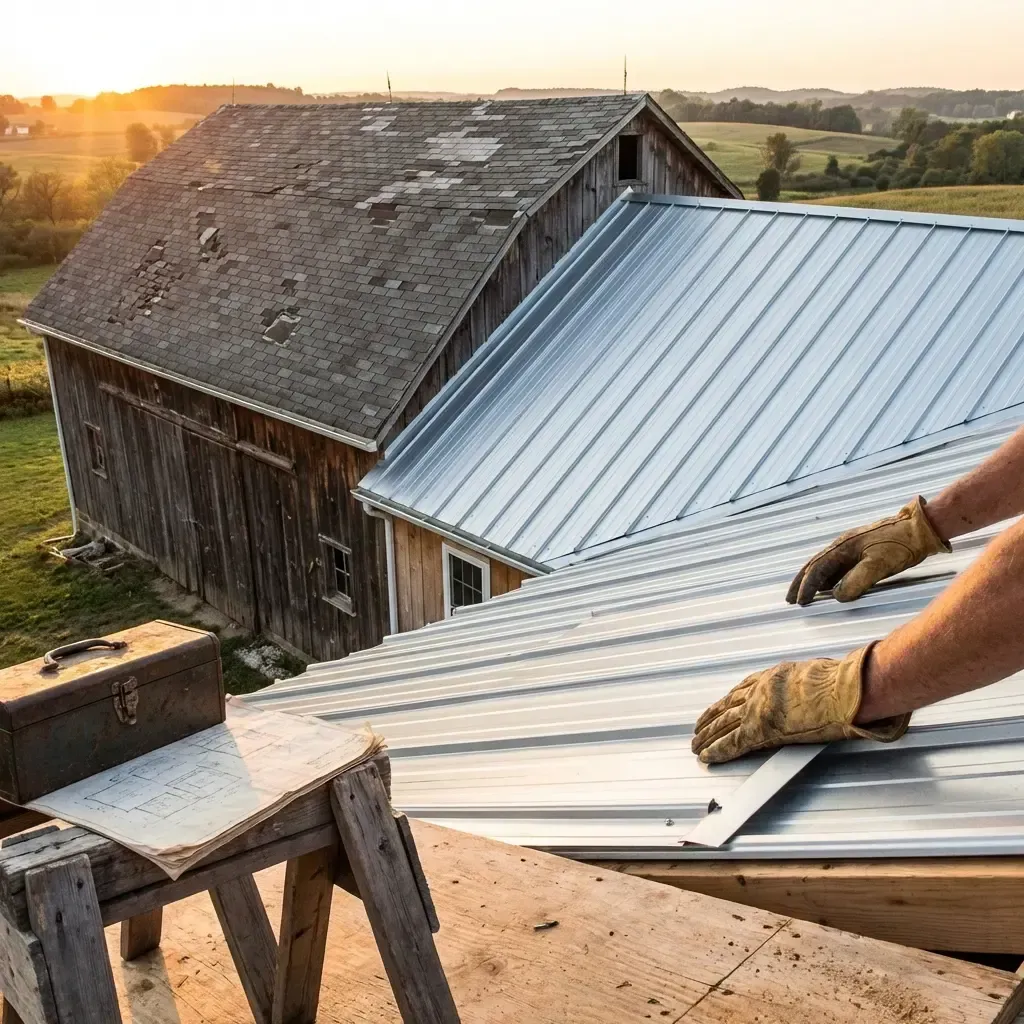
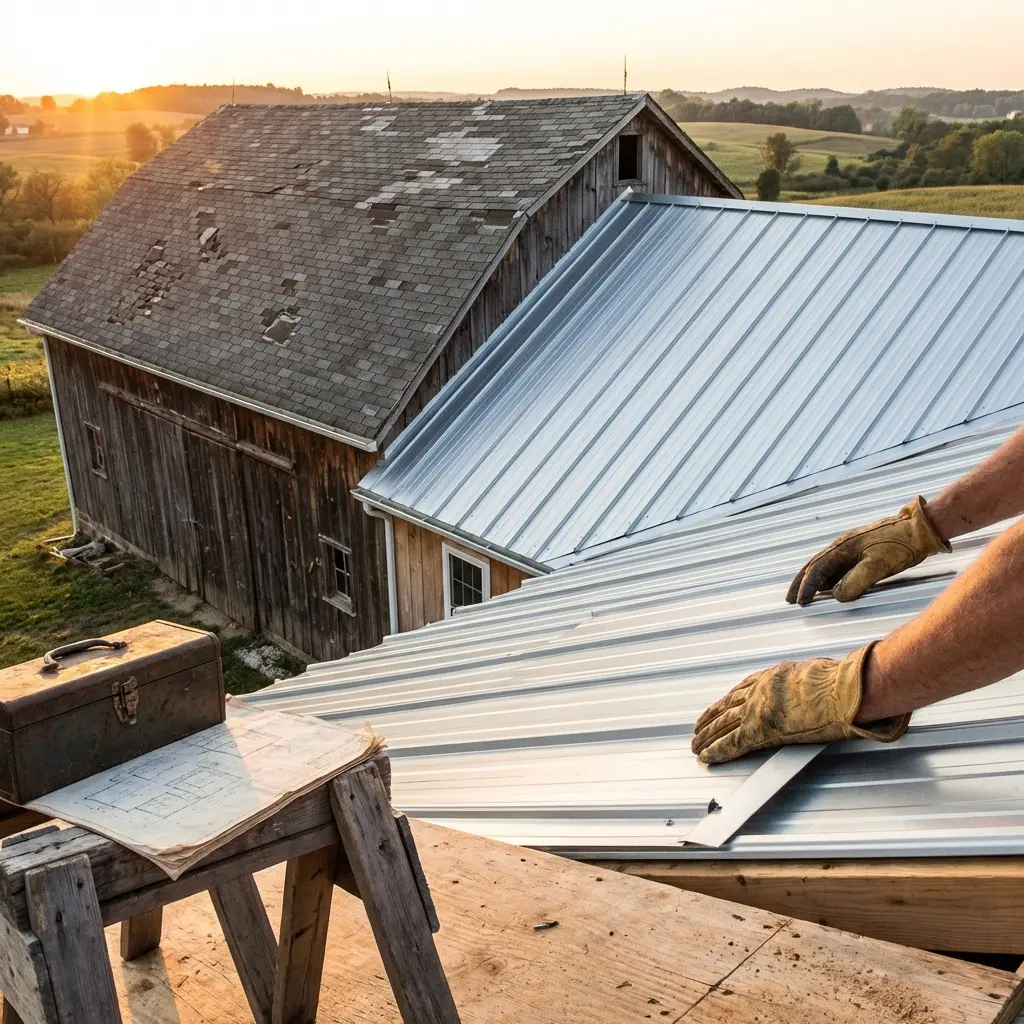
We've seen both systems perform side by side after the same storm. The shingle roof loses sections along the edges where adhesive seals weakened over time. Wind lifts individual tabs. Rain finds entry points.
The standing seam metal roof on the adjacent structure stays intact. The interlocking panels and concealed clip system hold the surface securely without relying on exposed fasteners or surface adhesives.
Even after the storm passes, there's no visible separation along the seams. The roof continues shedding water normally during subsequent rainfall.
Weather resistance isn't about surviving one event. It's about maintaining structural integrity after repeated exposure to wind, rain, snow, and temperature swings. It's about consistency over time.
The Investment That Serves Multiple Generations
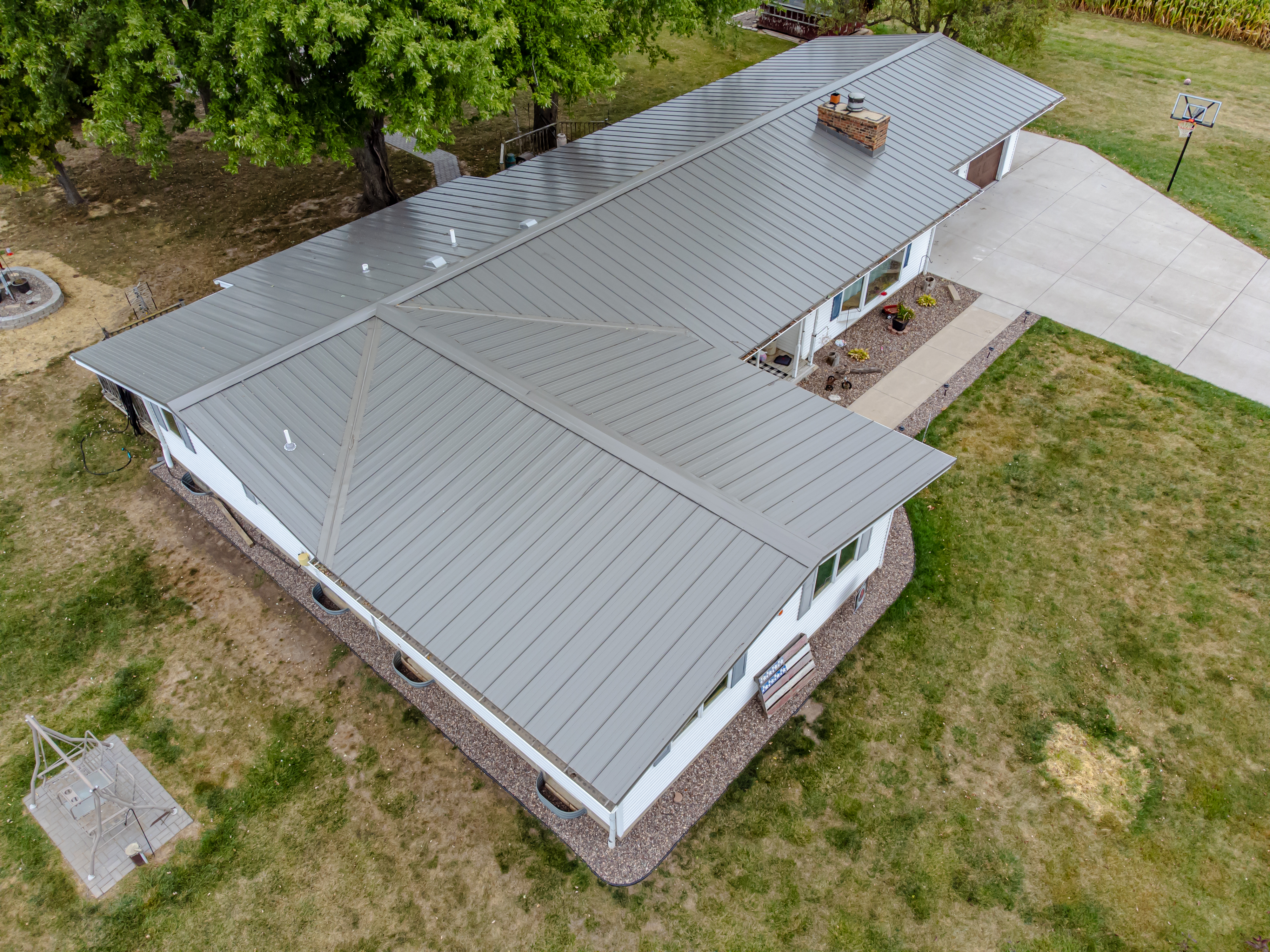
A standing seam metal roof signals to buyers or investors that a major structural component is designed for long term performance rather than near term replacement.
Unlike a traditional shingle roof that may be approaching the midpoint of its lifespan within a decade, a metal system with decades of expected service life remaining reduces concerns about future capital expenses.
The property becomes more attractive during resale or leasing discussions. Prospective owners view the building as requiring less immediate maintenance.
That's the wisdom our grandparents understood. Build it right once. Let it serve you for decades. Pass it on to the next generation still performing.
Some things are worth doing the old way.
